Singburi used to be the best Thai restaurant in London, but things have changed.
Cities change and they always have (despite what some nostalgic right-wing fantasists would have you believe). People meet, create something new, grow old, move on, pass on, hand over to the next generation. This cycle repeats itself constantly, which helps explain the seemingly constant rate of churn and change in London’s restaurants – a city of millions and an industry of thousands.
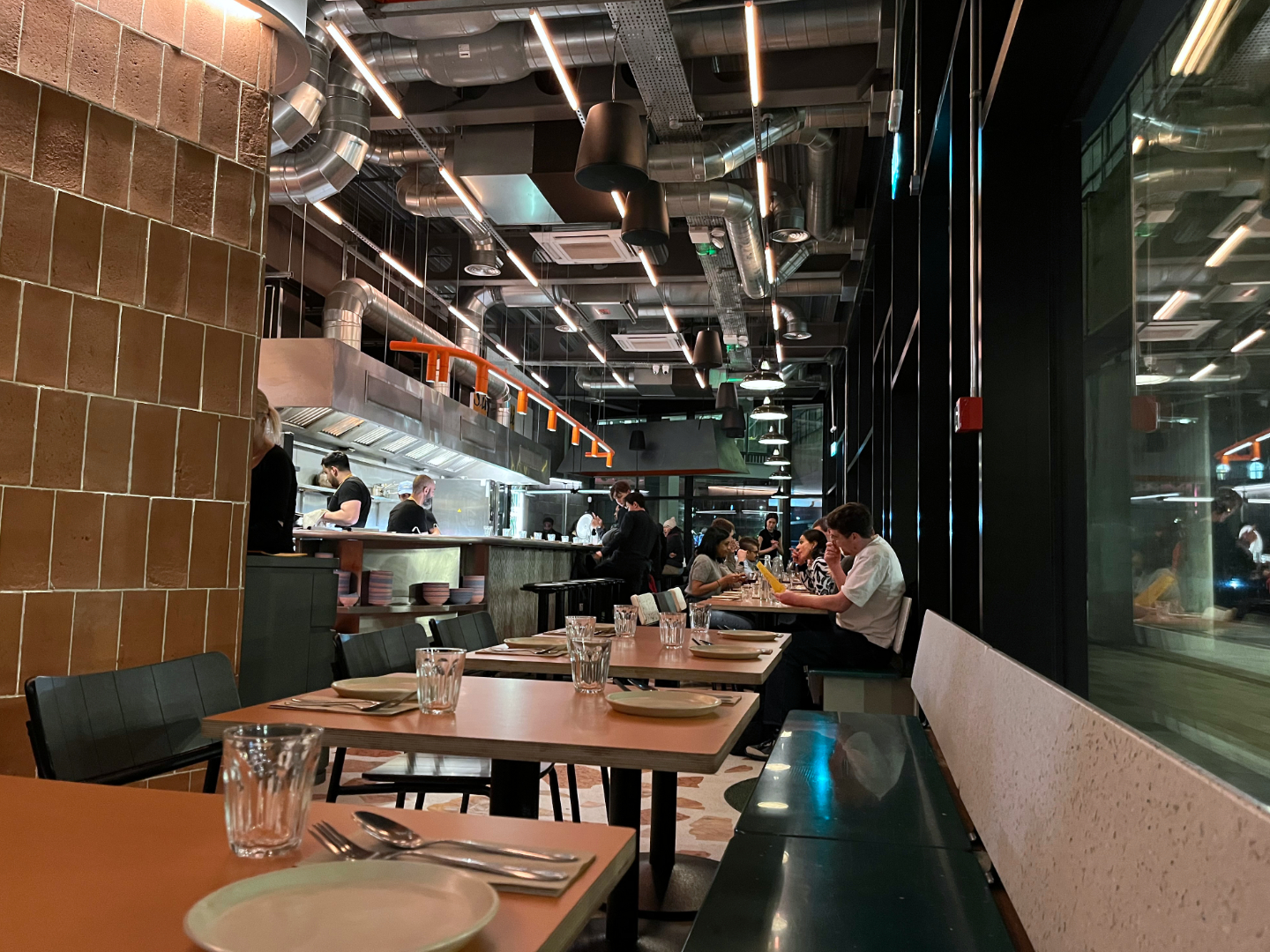
The original Leytonstone version of Singburi is no more after its original proprietors apparently decided to retire. The Singburi name lives on with their son at the helm of its new incarnation in Shoreditch, helped along by alumni of one of London’s nuThai restaurants.
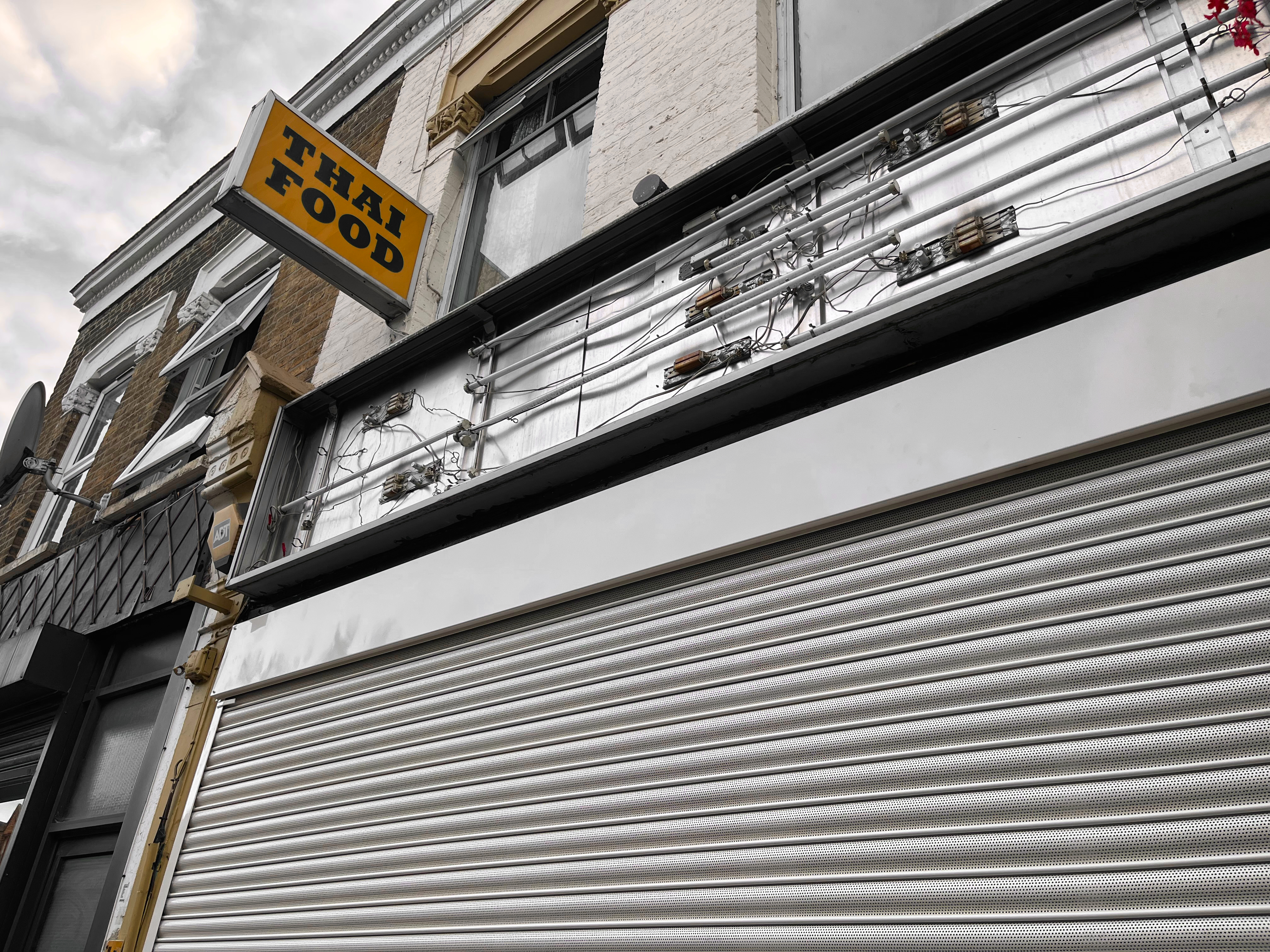
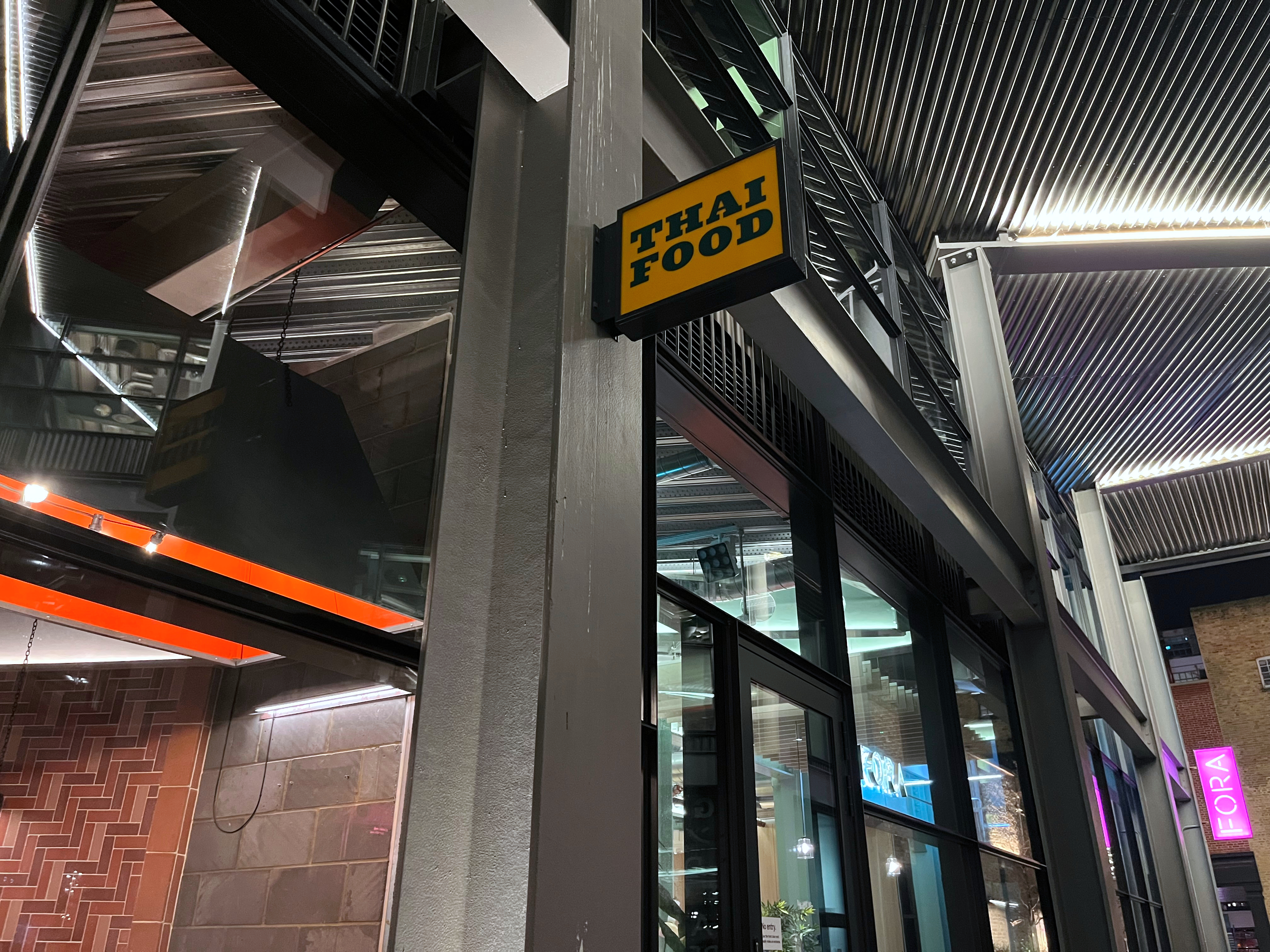
There are a few echoes of the old Singburi in this glossier, easier-to-reach version. The amusingly terse ‘Thai food’ street sign has been replicated, while a couple of the faded tourism board-style posters have been retained.
The ‘specials’ chalkboard menu has been retained, even though it is now the only menu given that the old Singburi’s standard high street-style menu of curries and stir fries with interchangeable proteins has been jettisoned. Although it does change fairly regularly, there are some noticeable reoccurring patterns within it, as we’ll see. Last, but most certainly not least, is the food itself – the Shoreditch kitchen is deliberately serving up a slate that’s quite different from its Leytonestone forebear.
Smaller dishes at Singburi
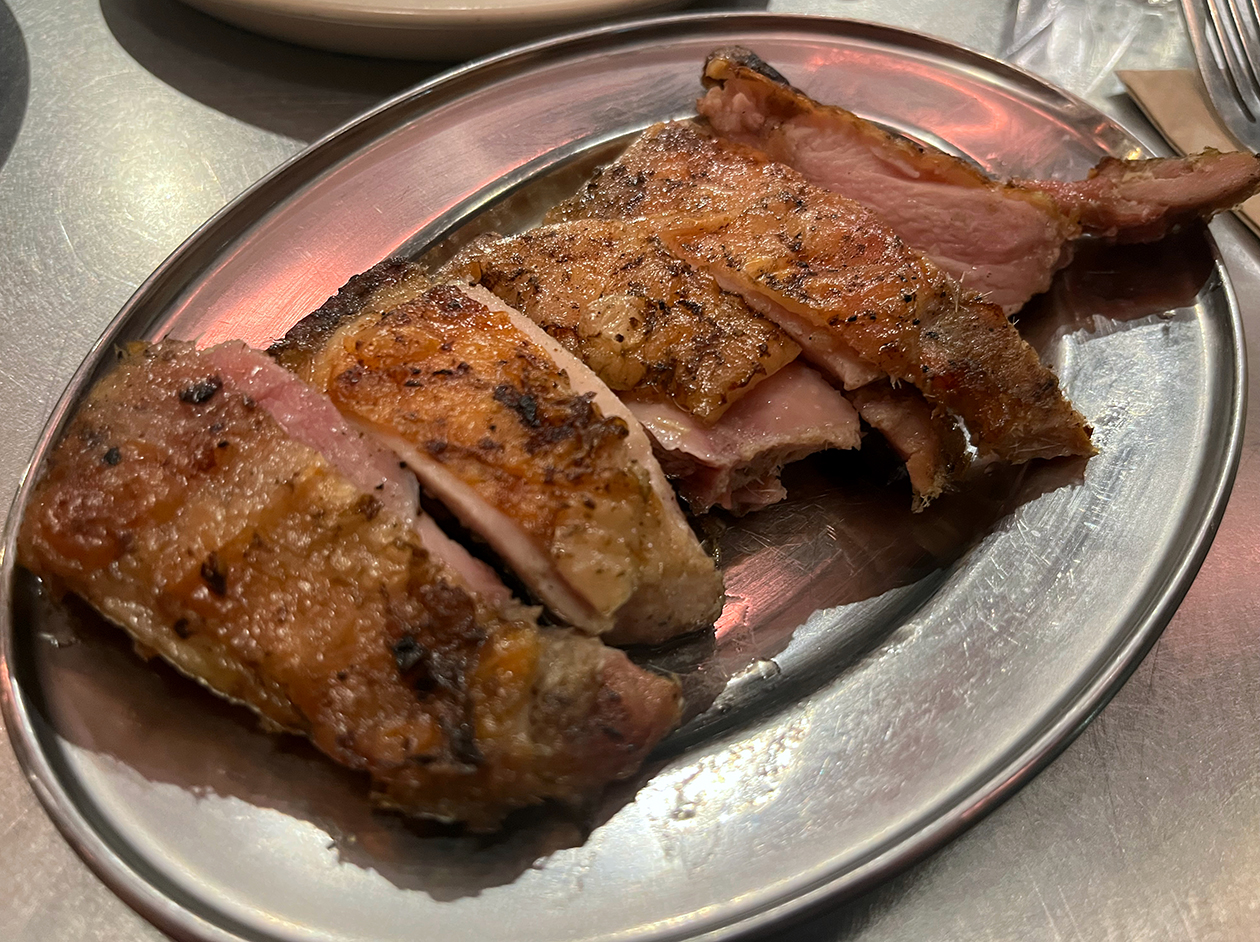
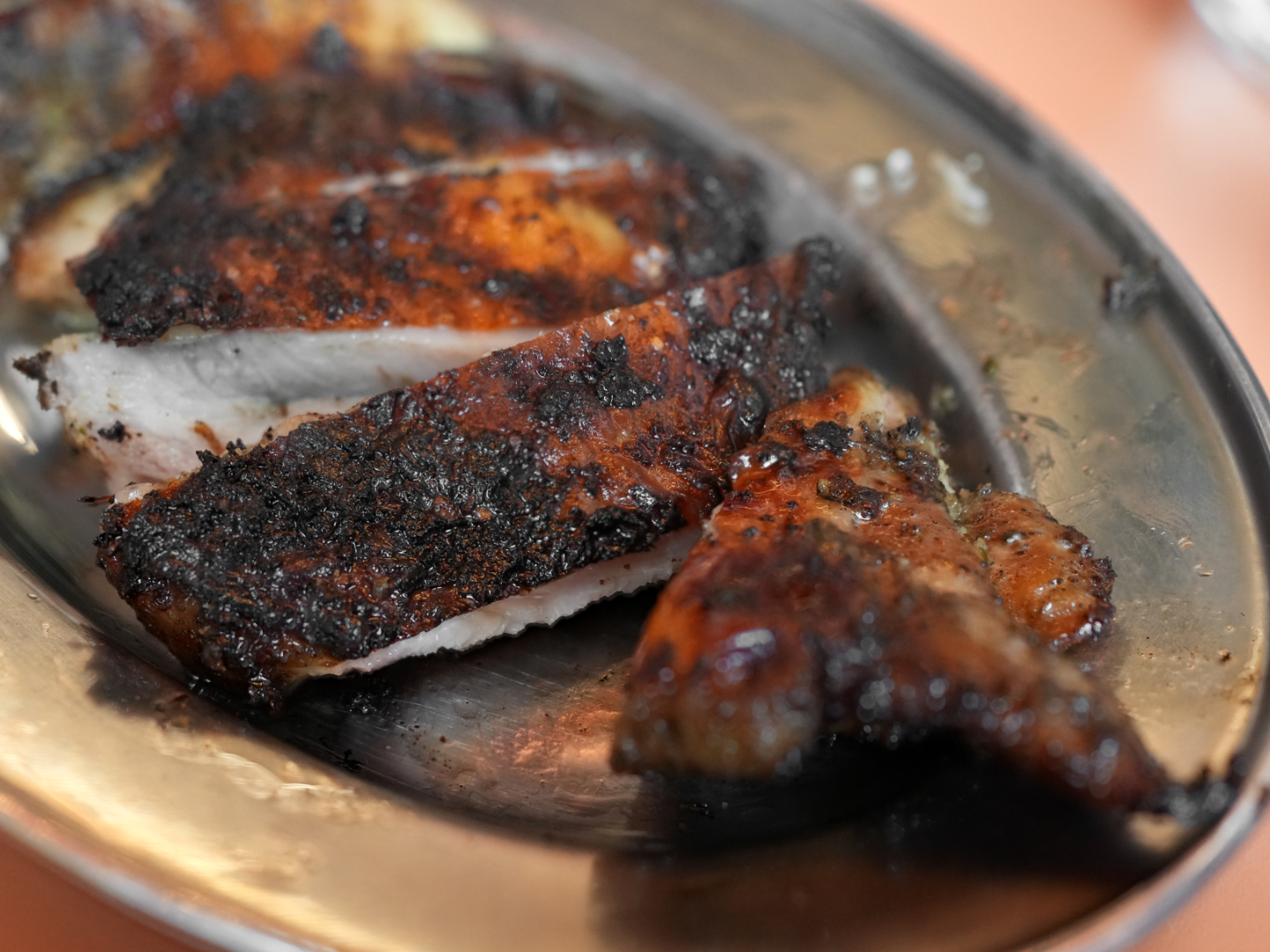
Singburi’s take on grilled chicken thigh can sometimes vary slightly. The dark meat, lacquered with charred yet sweet skin, is almost always juicy, tender and slightly earthy. The variation comes in the occasional addition of wild ginger which adds a gentle undercurrent of warmth.
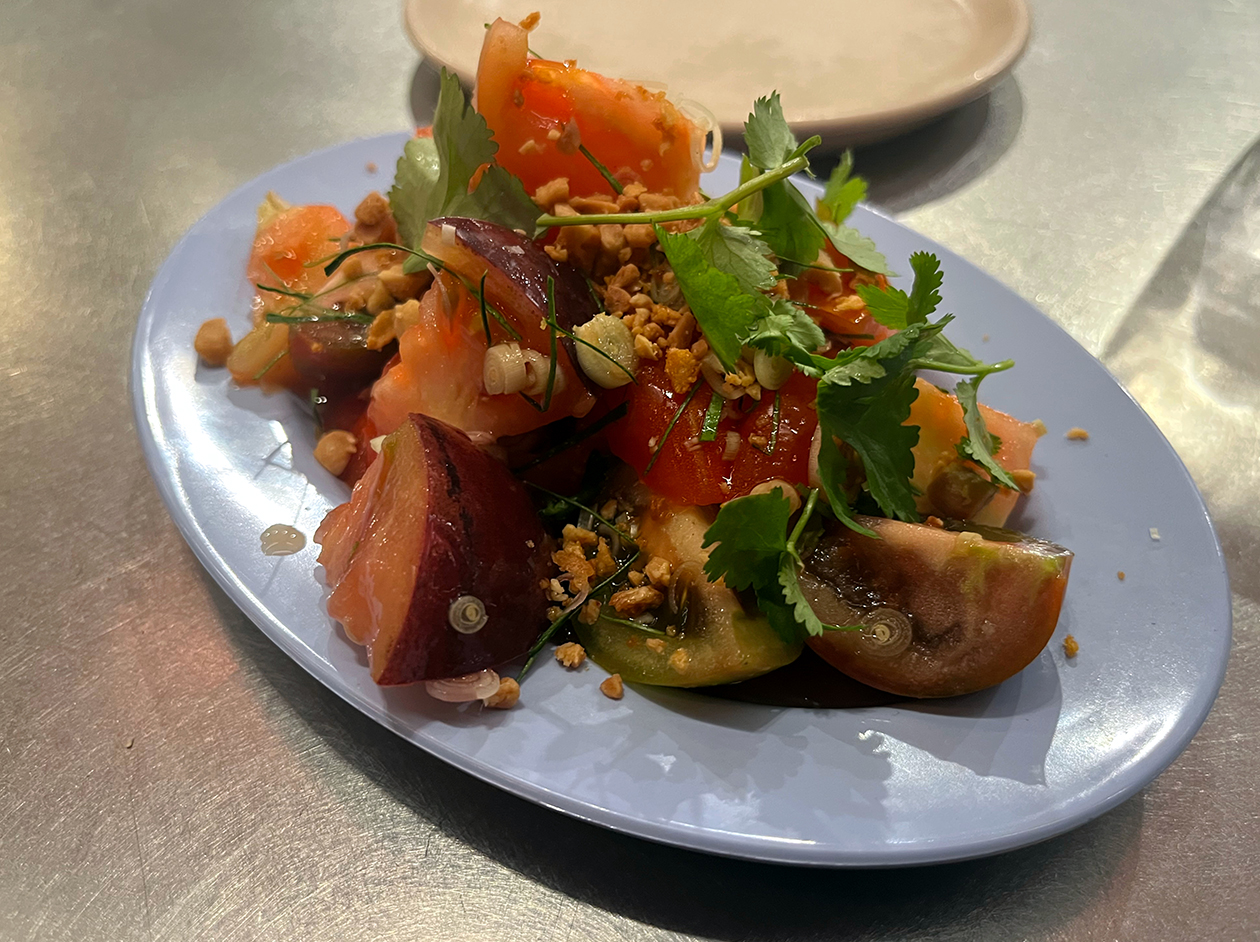
I suspect the ‘smoked’ in the smoked tomato salad is really just a sleight of hand to convince salad dodgers to eat their greens for once. Luckily for everyone concerned, this turned out to be an eminently splendid salad. Plump tomatoes and crunchy peanuts provided the texture. Fish sauce, tangy and sour in every drop, was joined by astringent lemongrass in providing the flavour.
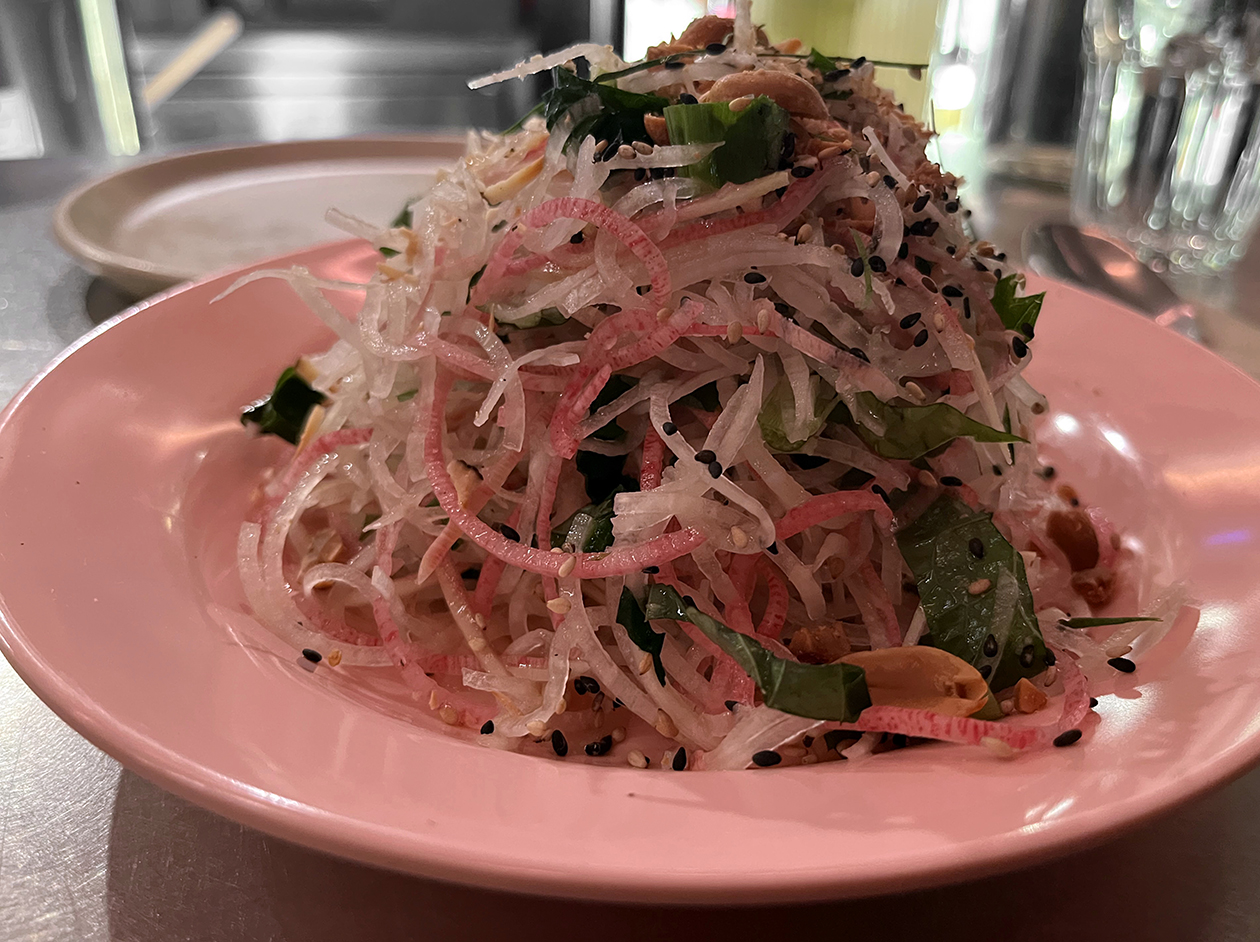
A jumbled heap of julienned radish and kohlrabi was firm and refreshing, while a mystery dressing added a lightly zesty sharpness to this salad. If I felt unkind, I could describe this salad as an unthreatening alternative to a green papaya salad, made for middle England. But that would be unfair.
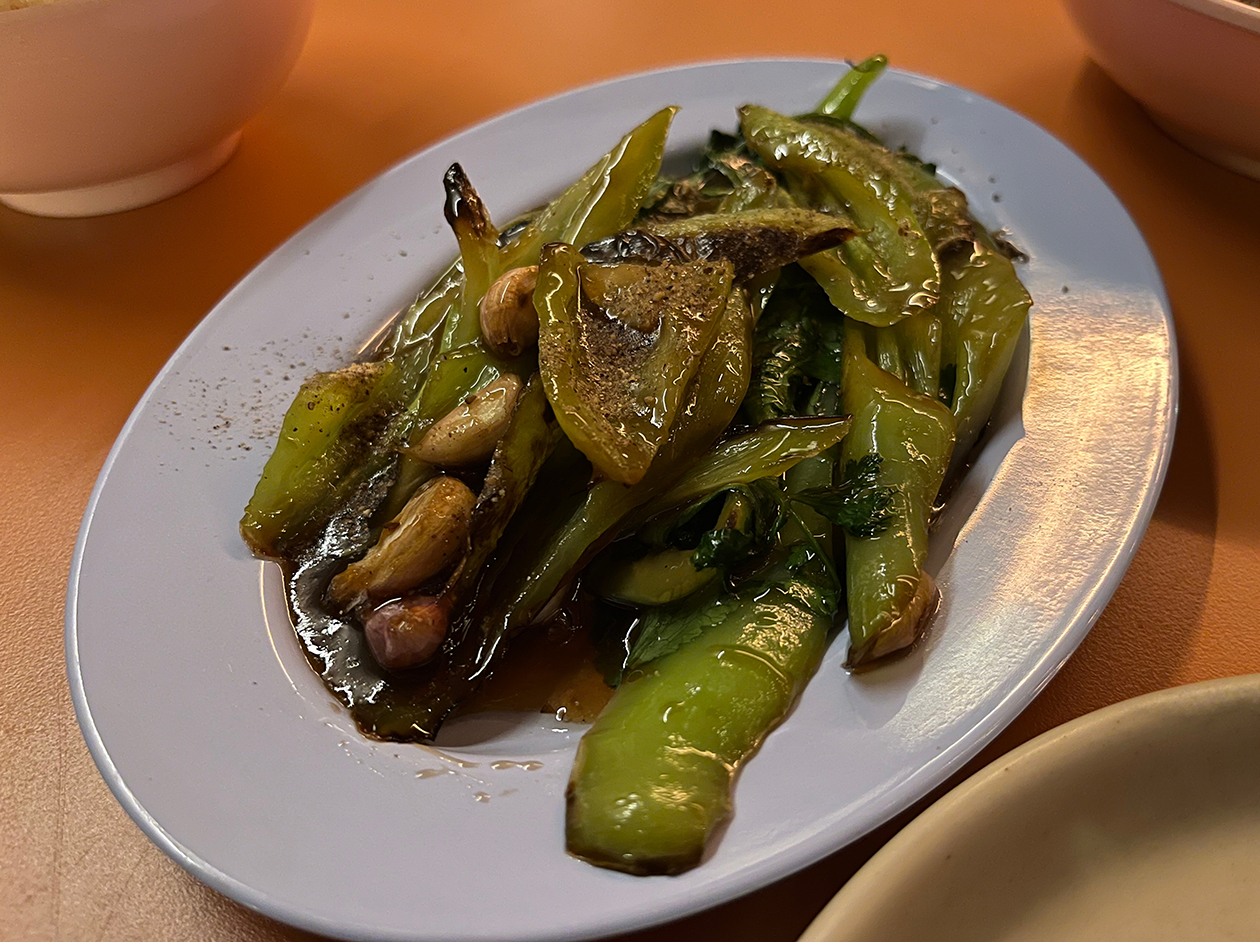
Sliced vertically, slithery banana peppers had their mild sweetness and tanginess juiced a little by a vinegar-based marinade. While inoffensive enough, having an inoffensive milquetoast dish at a Singburi feels incongruously disjointed.
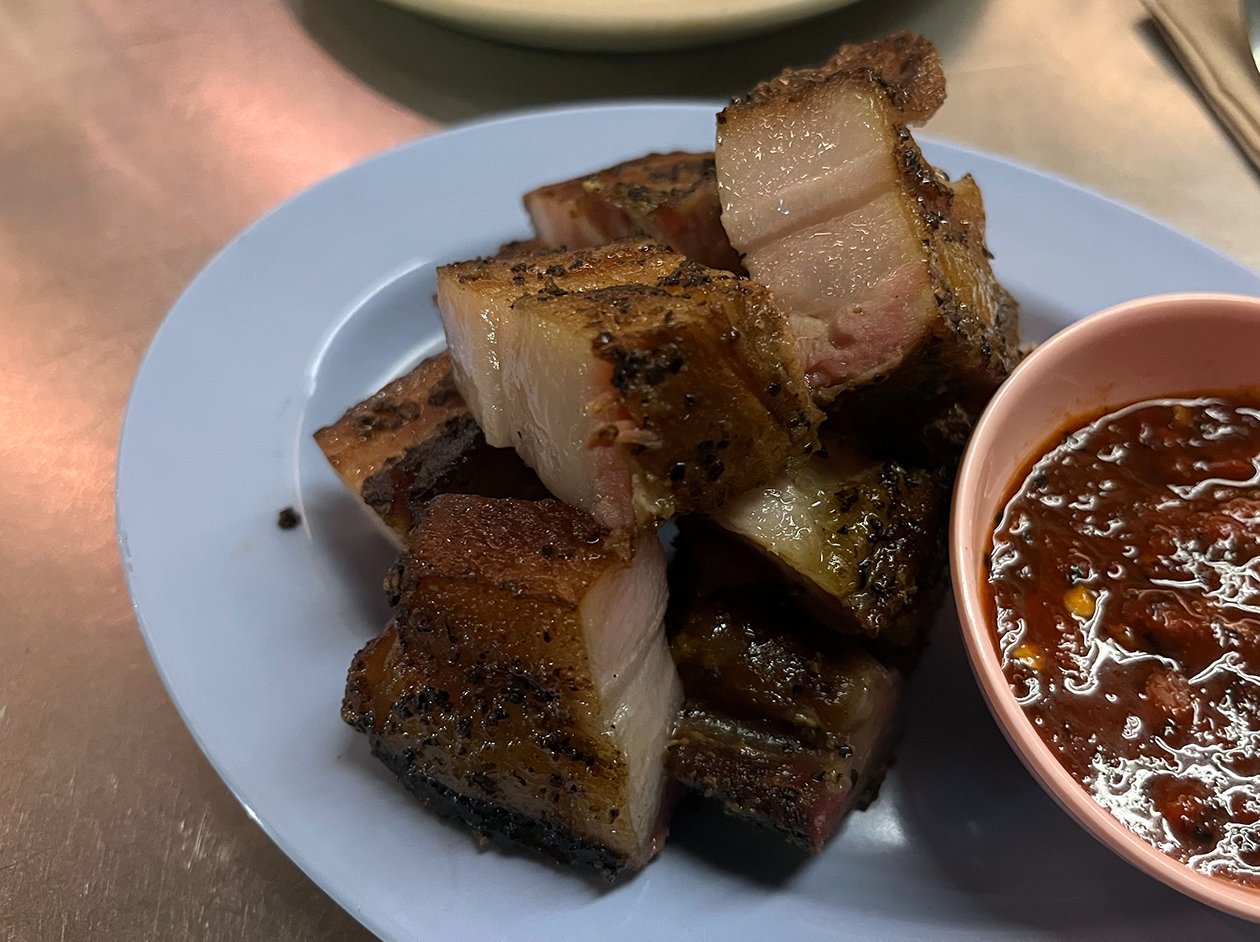
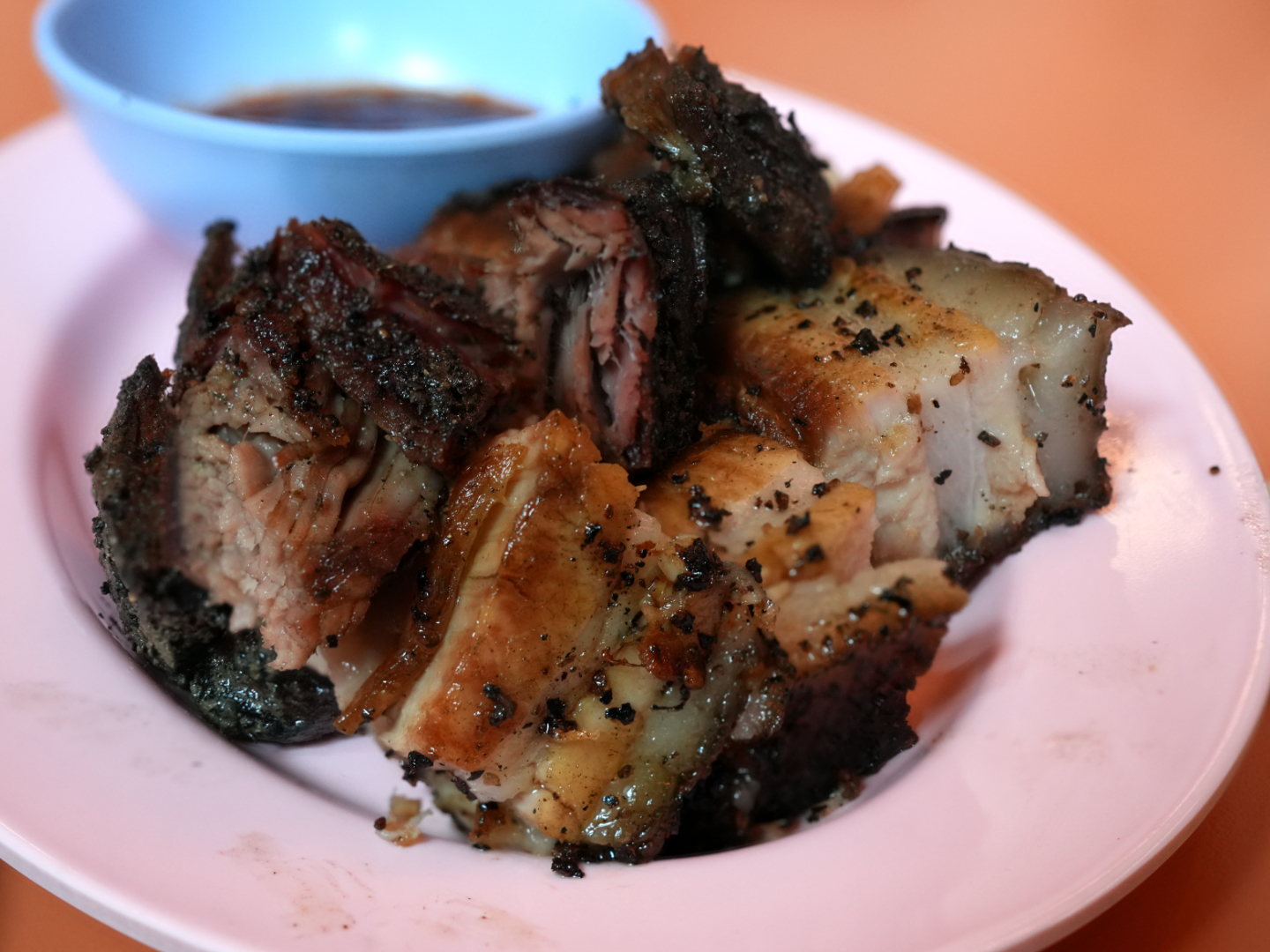
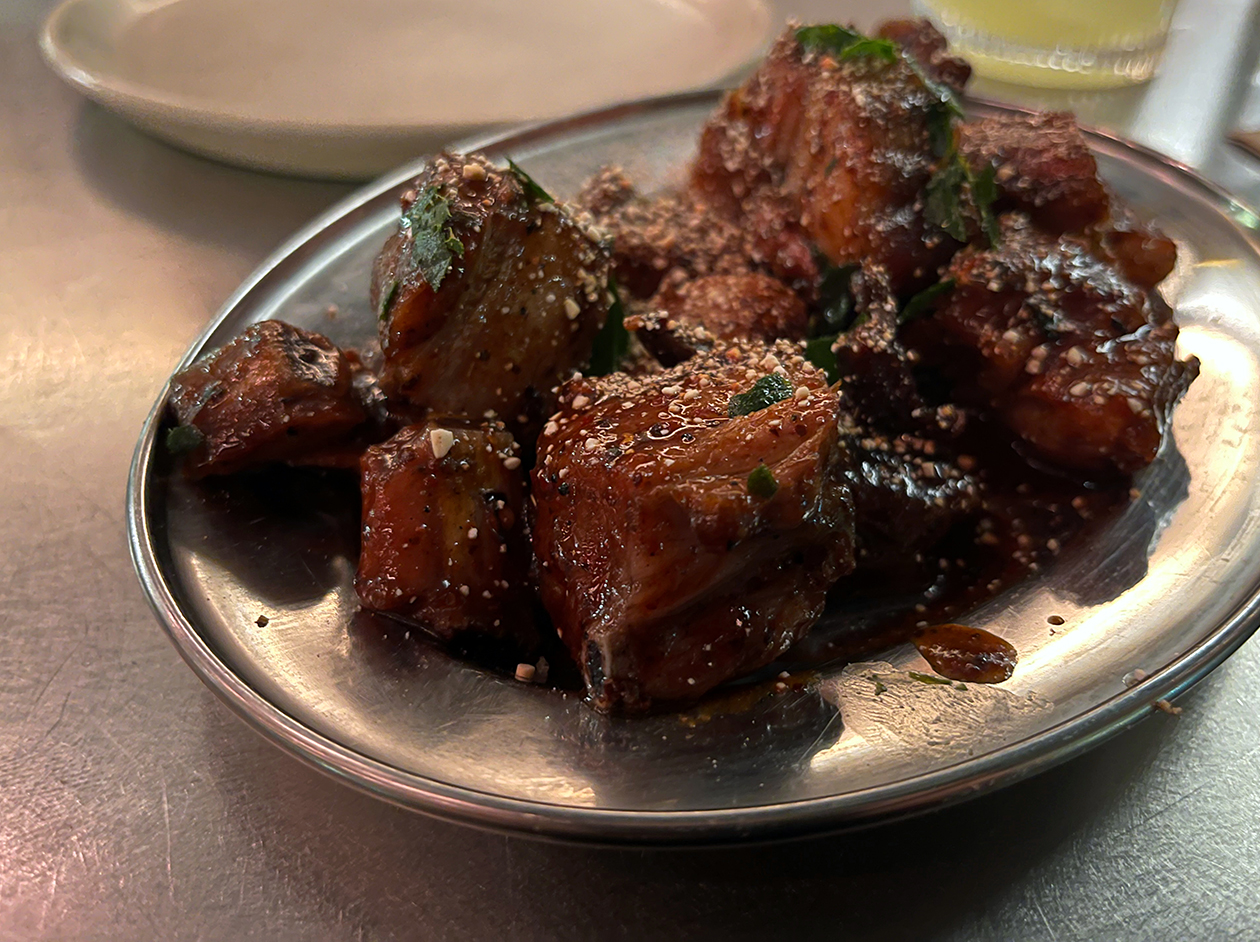
At their best, the cubes of smoked pork belly were not only tender, but lined with layers of gelatinous fat and a transient umami. Burnt chilli added both a light sweetness and a searing heat.
The kitchen clearly has some consistency issues with this dish though as, on another occasion, the belly cubes had been overcooked to the point of dryness. The fat, as well as some smoky astringency and a smoky fruitiness in the burnt chilli, had to pick up a lot of slack as a result.
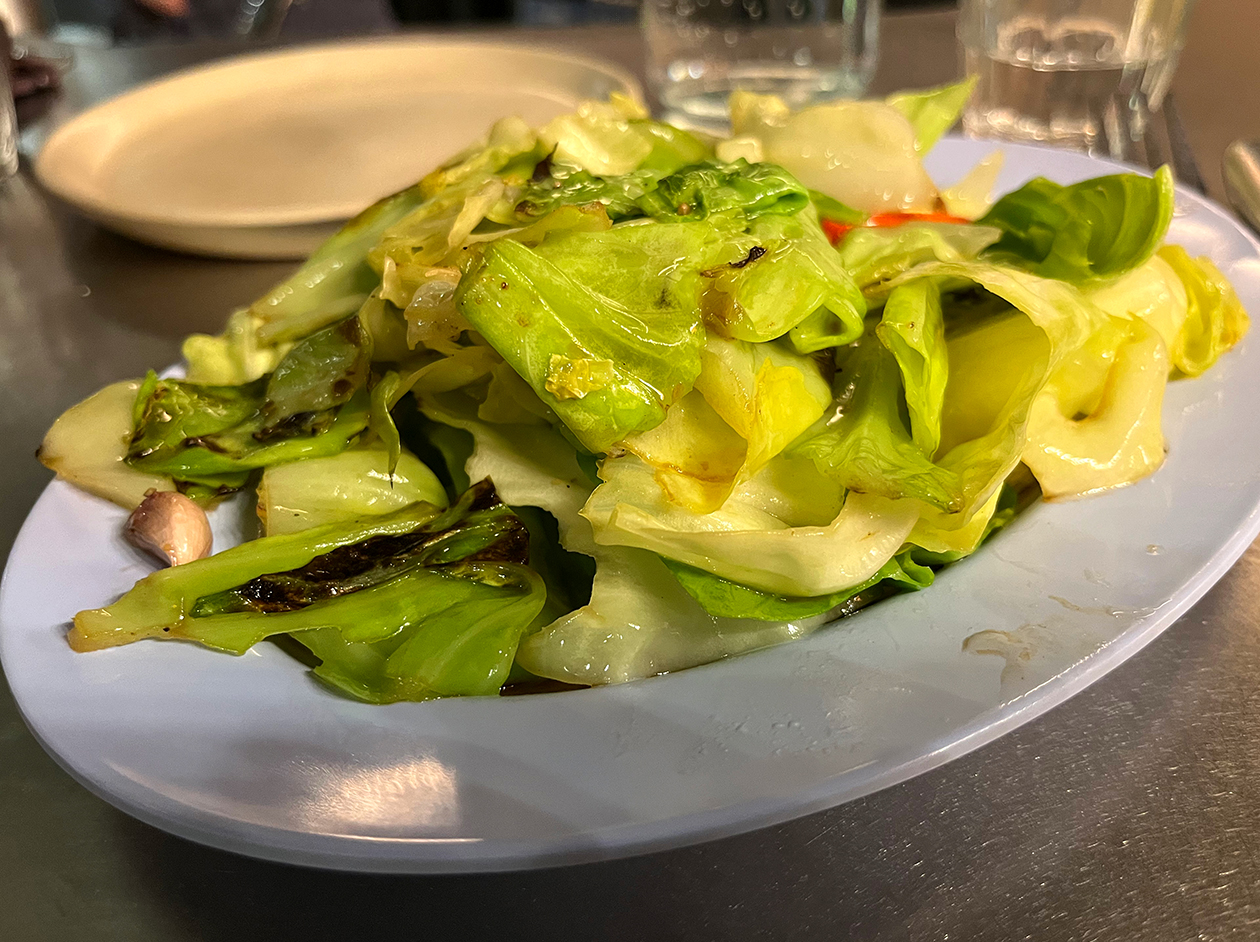
Singburi’s cabbage dish, one of a few that’s more or less a constant fixture on the menu, is somewhat hilariously not at all suitable for vegetarians. The leaves were stir-fried in a well-judged amount of pork fat – enough to help it slide down my gullet with ease while imparting a touch of moreishness, but not enough to glisten my chin. It’s a fine example of both deliciousness and why fat is misunderstood and unfairly maligned.
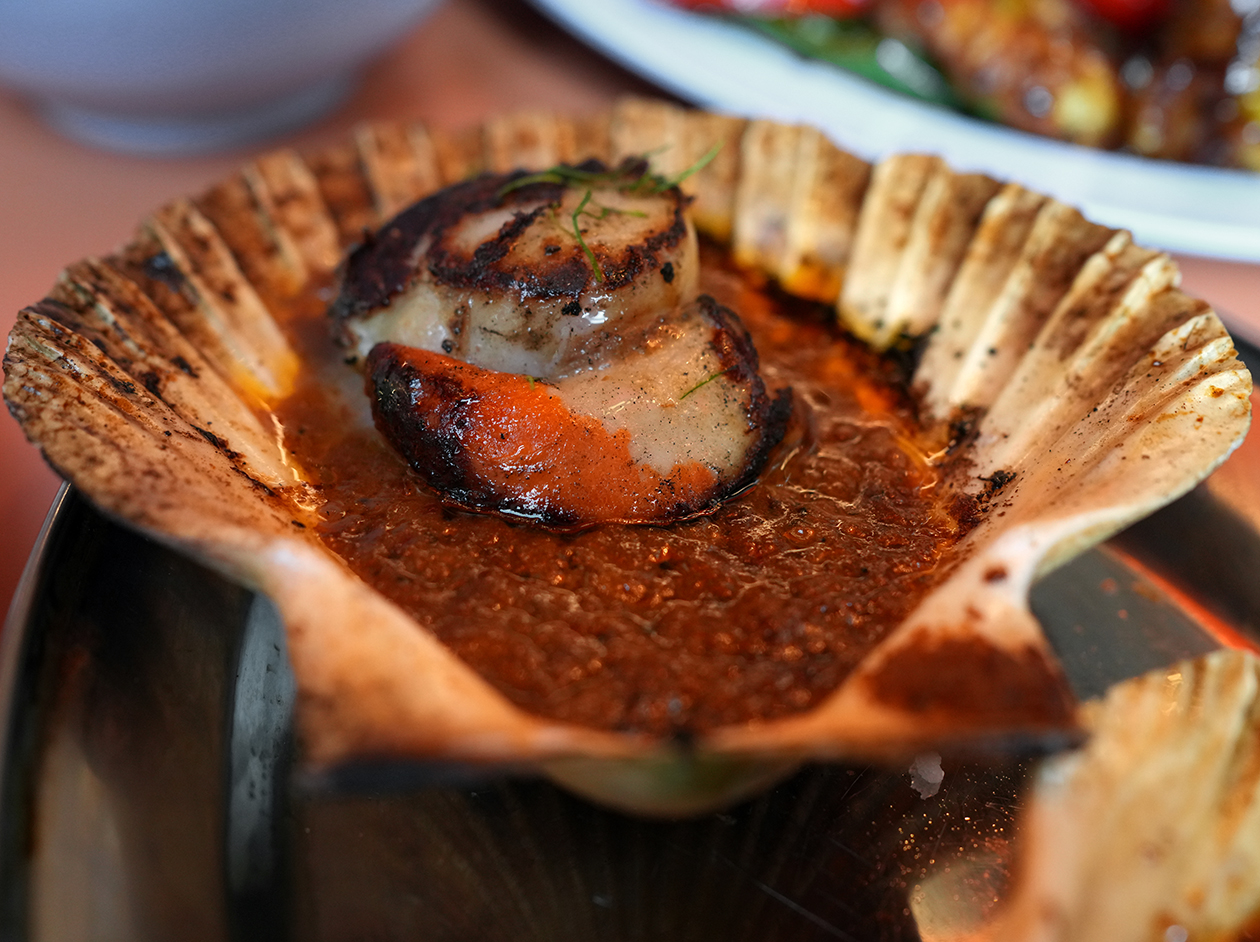
Muscular scallops were somewhat overcooked, but this was offset somewhat by the moderately spicy heat and slightly astringent warmth of the sauce they came in.
Grilled lamb riblets had a fatty, gently chewy crust with a tender follow through. A gently sweet and tangy mix of chilli and tamarind helped balance out the rich fattiness.
Mains at Singburi
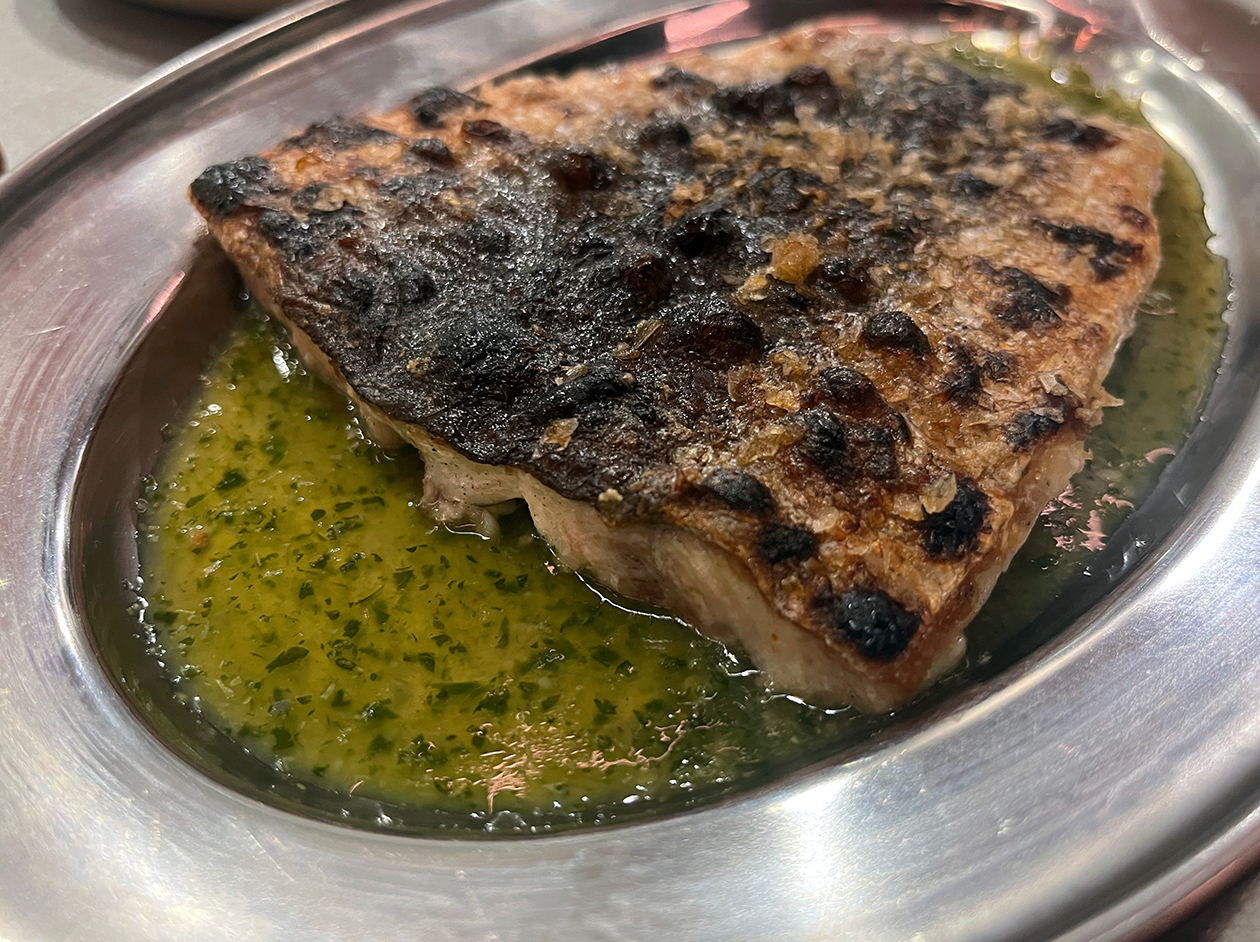
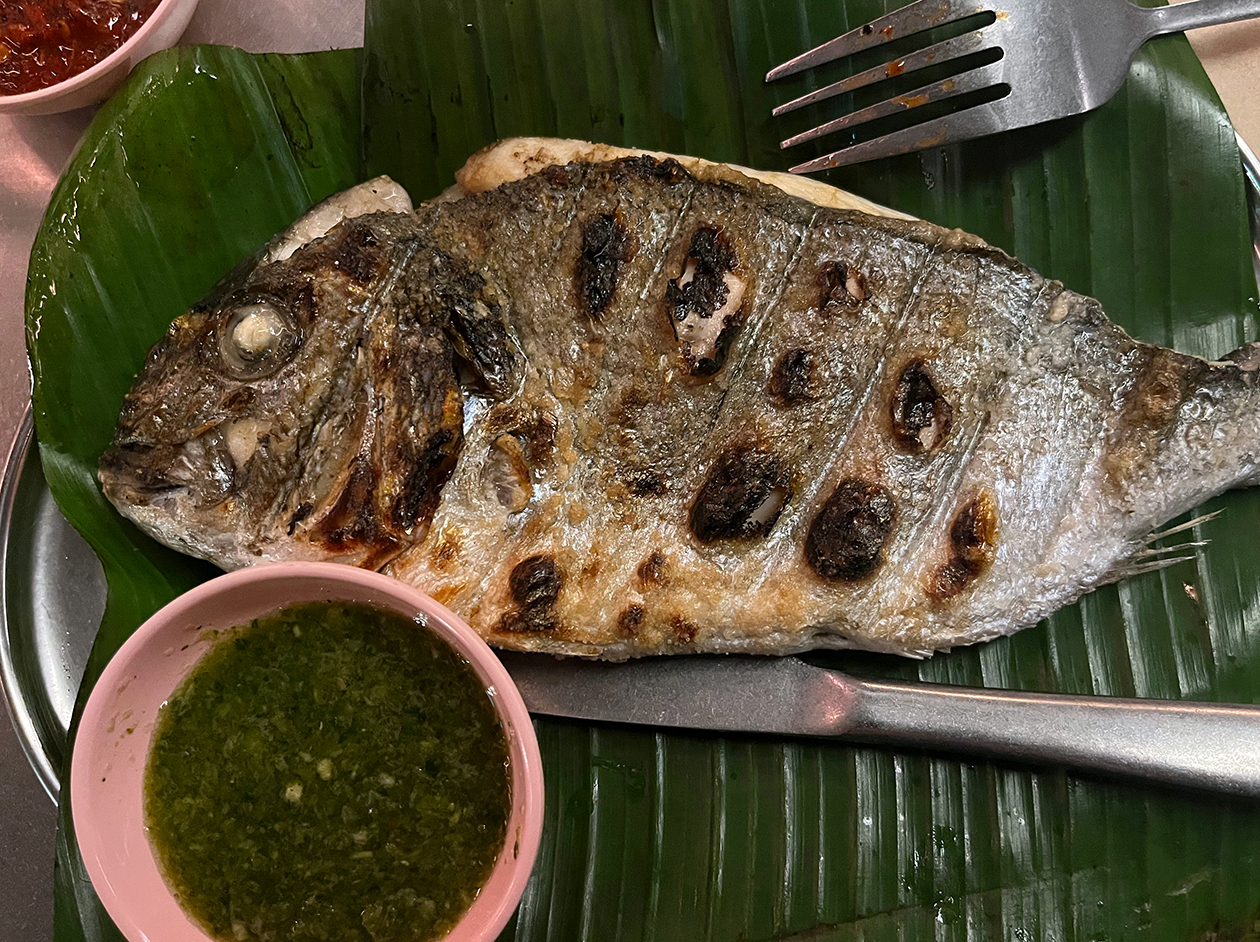
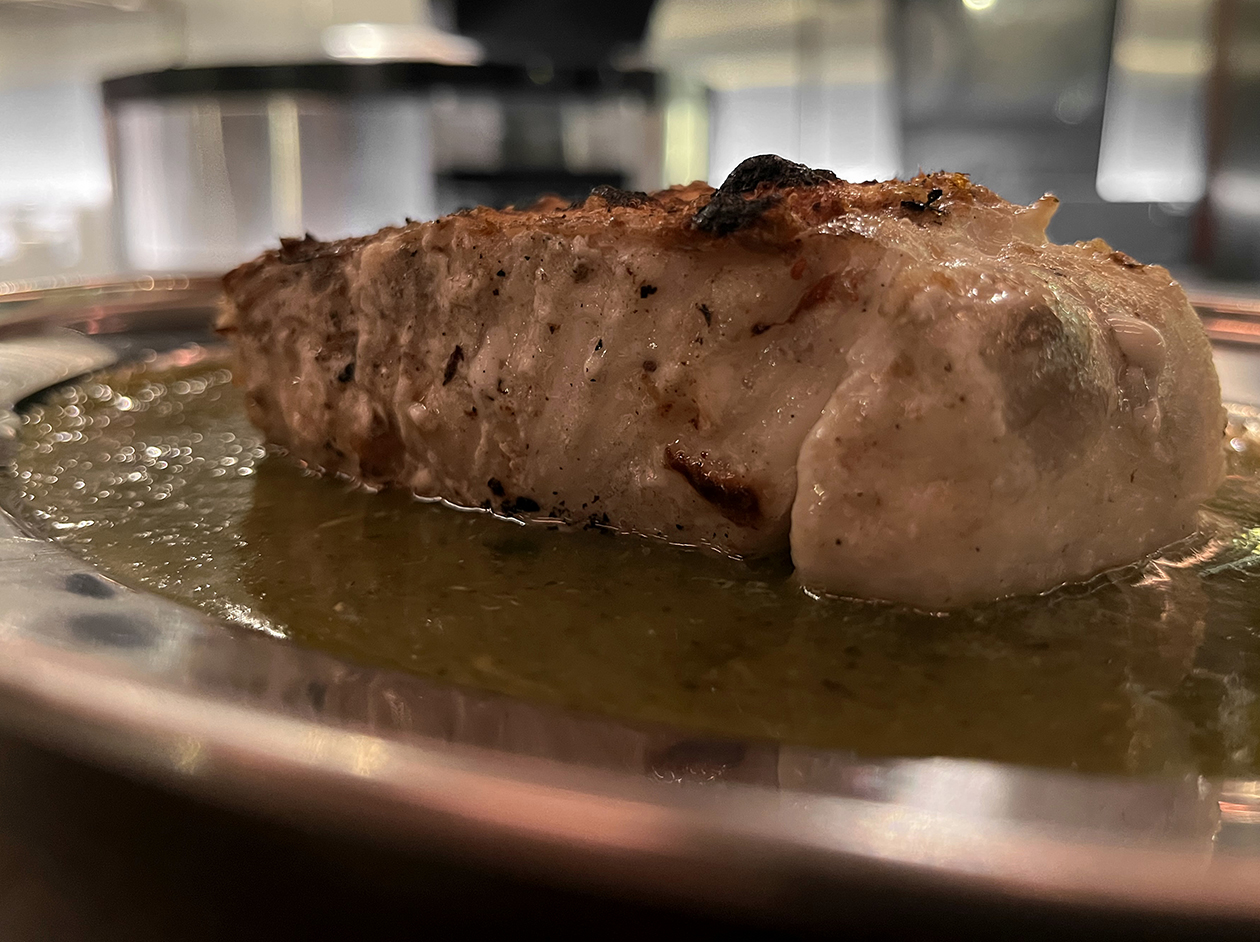
Singburi almost always has a fish dish on its menu. Although the fish in question changes depending on the catch of the day, it’s almost always served with a fish sauce-based nam jim talay that’s welcomingly spicier and zestier than the London norm for dipping condiments.
Barracuda was much like mackerel in its flaky, oily meatiness and charred, rippled skin. On subsequent visits, the gilthead bream was glossily moist and meaty with its salted skin giving an almost brine-like quality to the fish flesh. Cooked just so, it was so sumptuous that it arguably didn’t need the sauce. Of the fish I tried, halibut was arguably the least suited to Singburi’s nam jim talay as the sauce slid off its hench, muscular form rather than soaking into it. Even so, there was no questioning either the sheer quality of the halibut or the deftness with which it had been cooked.
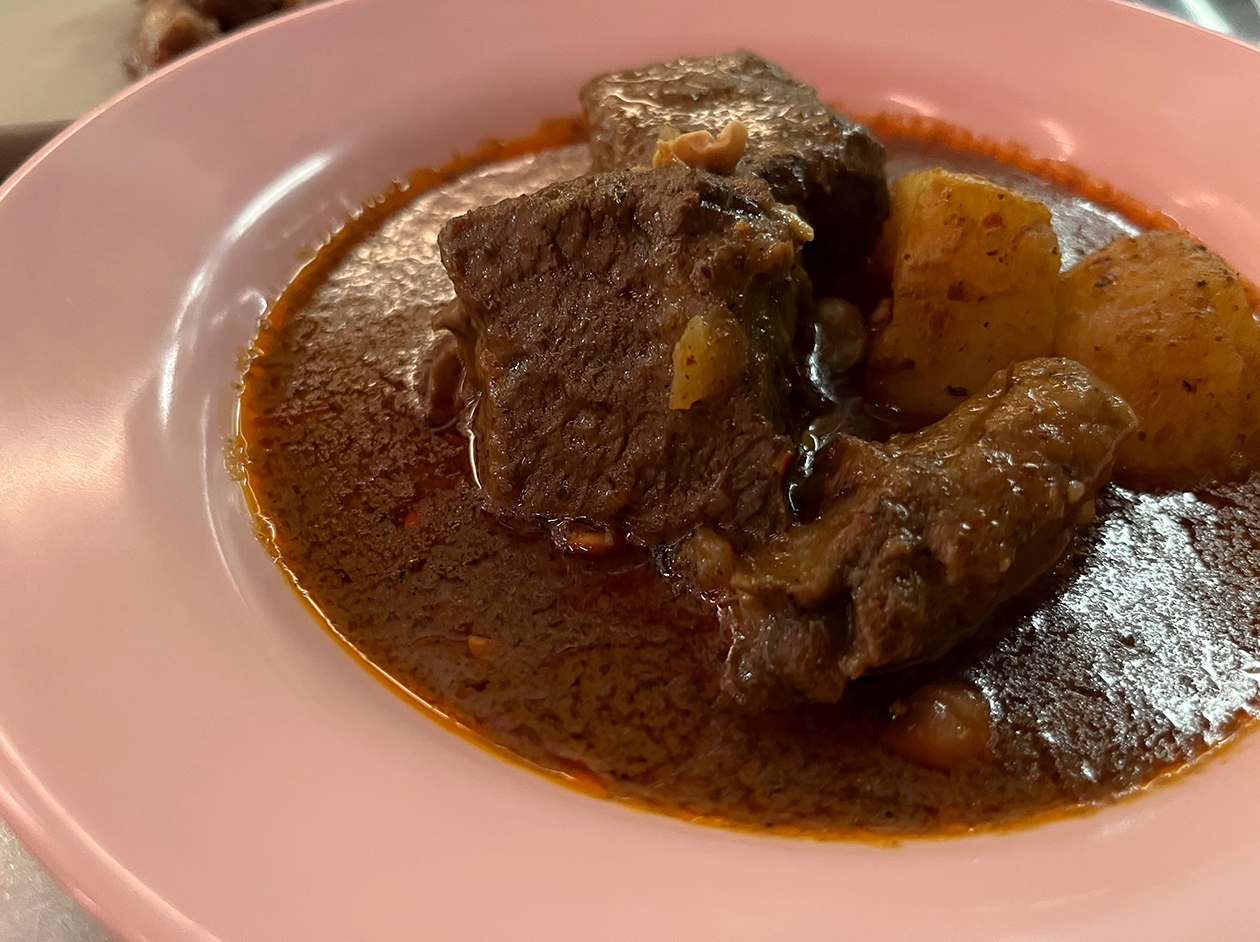
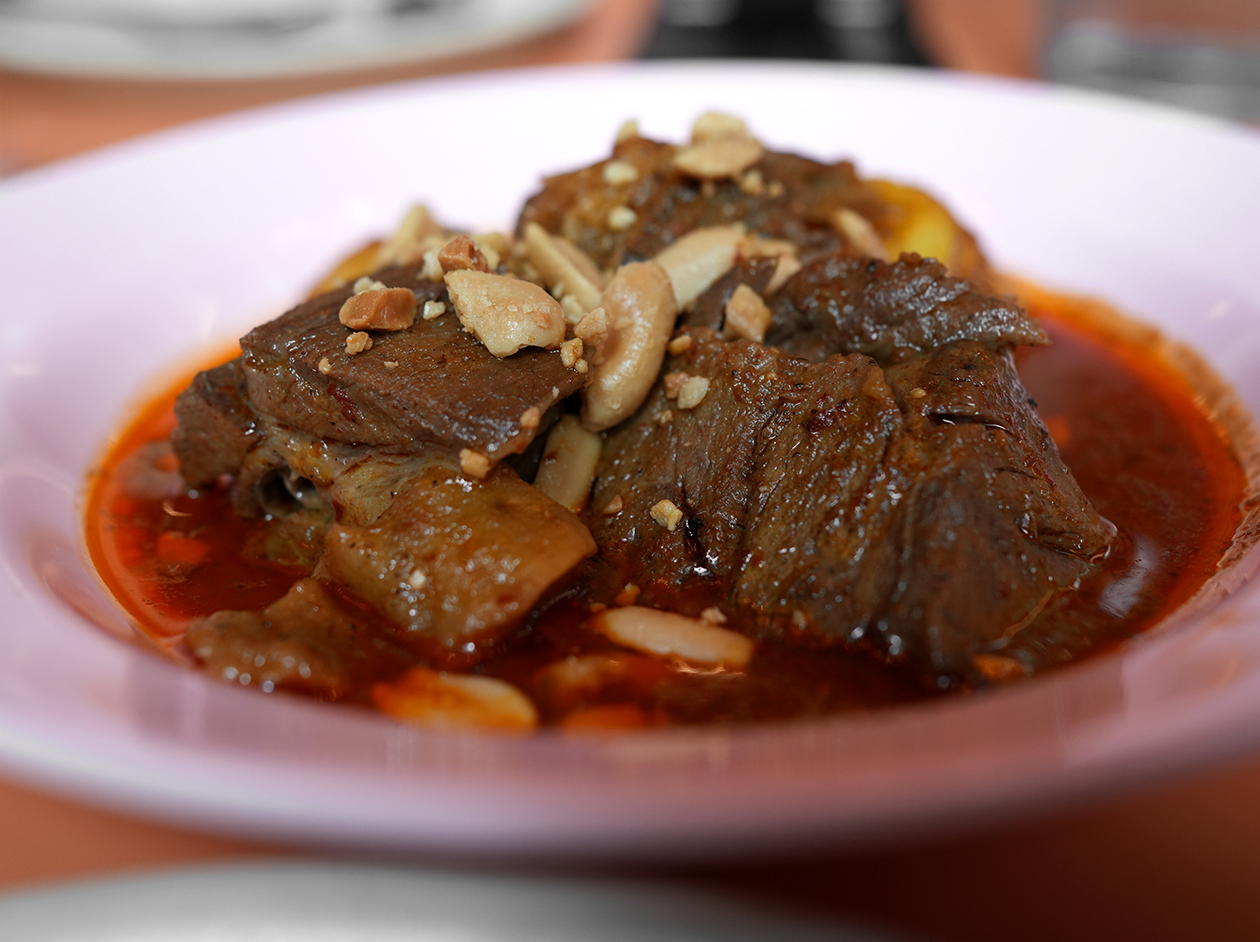
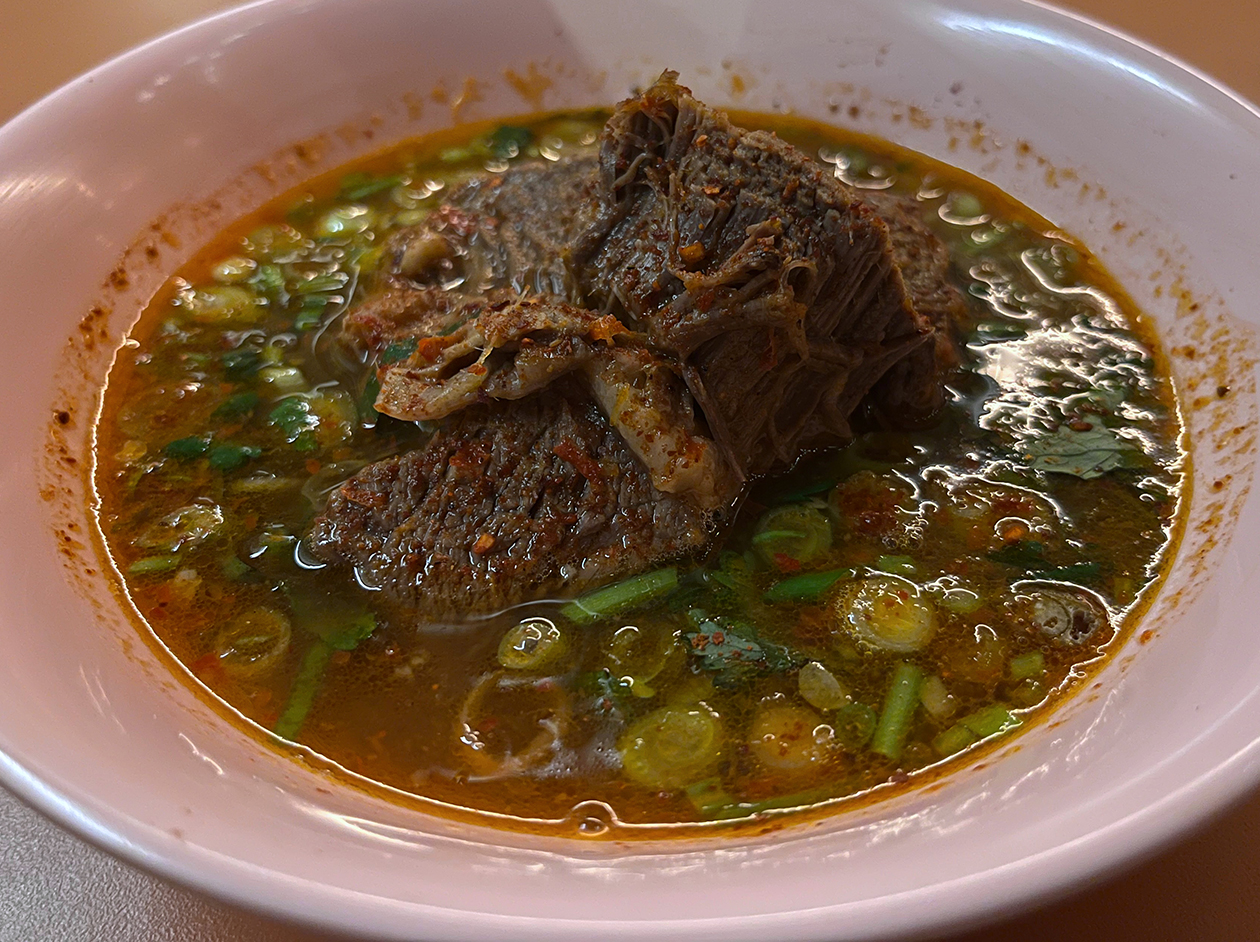
Singburi often has a beef massaman curry on its menu. While it never reached the same giddy heights of the massaman available at Plaza Raan Khao Gaeng, it was nonetheless credibly enjoyable. Sinewy yet tenderised beef and plush potatoes were bound together by a moderately sweet and musky sauce. Another variant used beef shin and was all the better for it, as the quivering connective tissue added a mouth-tickling layer of textural variation. Yet another variant used beef short rib that had been tenderised so thoroughly, it could be cut effortlessly with a fork.
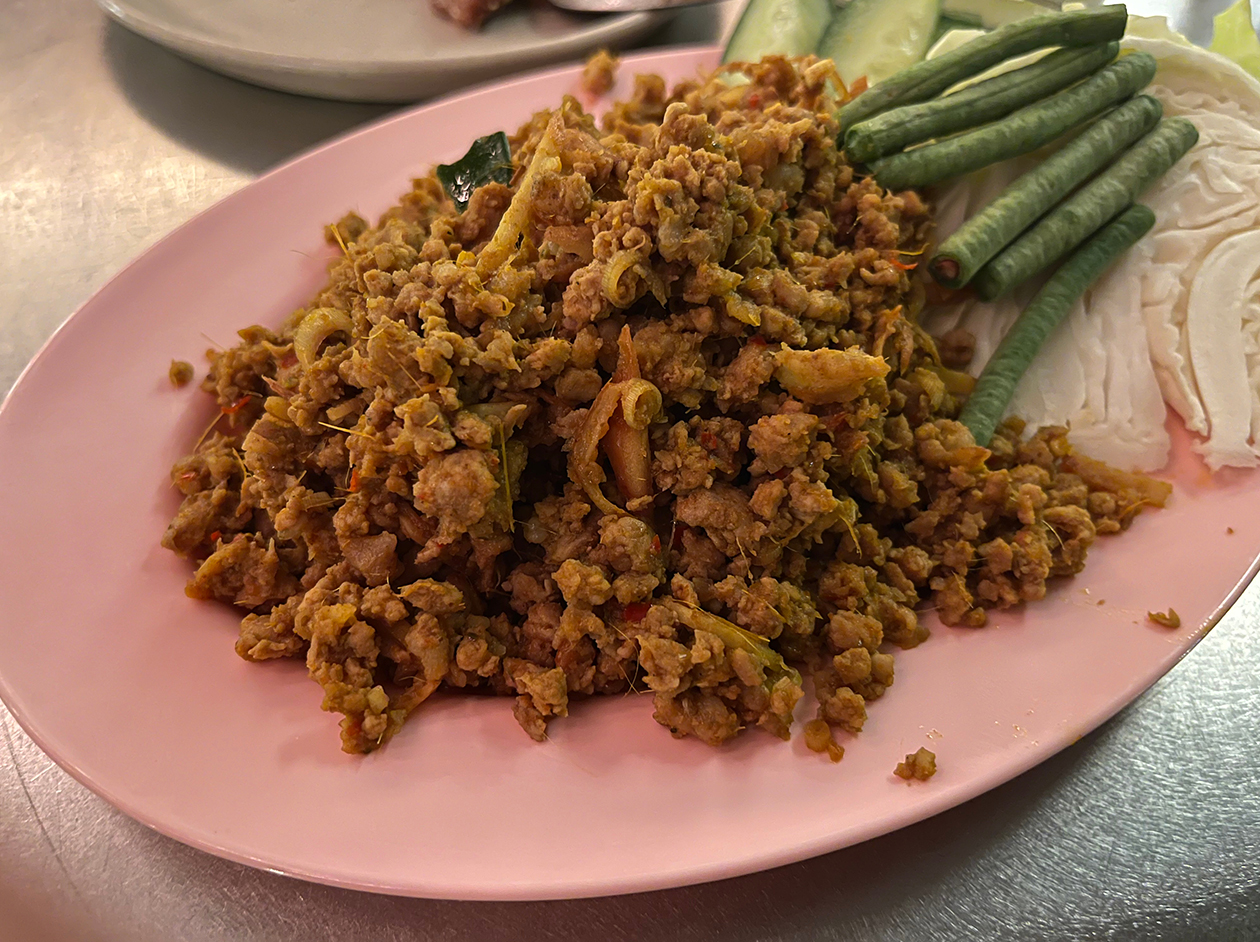
Singburi’s sauce-less ‘dry’ pork stir fries should never be overlooked. The oinker in the pork ka prao retained its firm muscularity, despite having been minced. It tasted relatively tame by the standards of the old Singburi, with only a modest spicy heat and umami to its name, the latter helped along by the runny yolk of a fried egg.
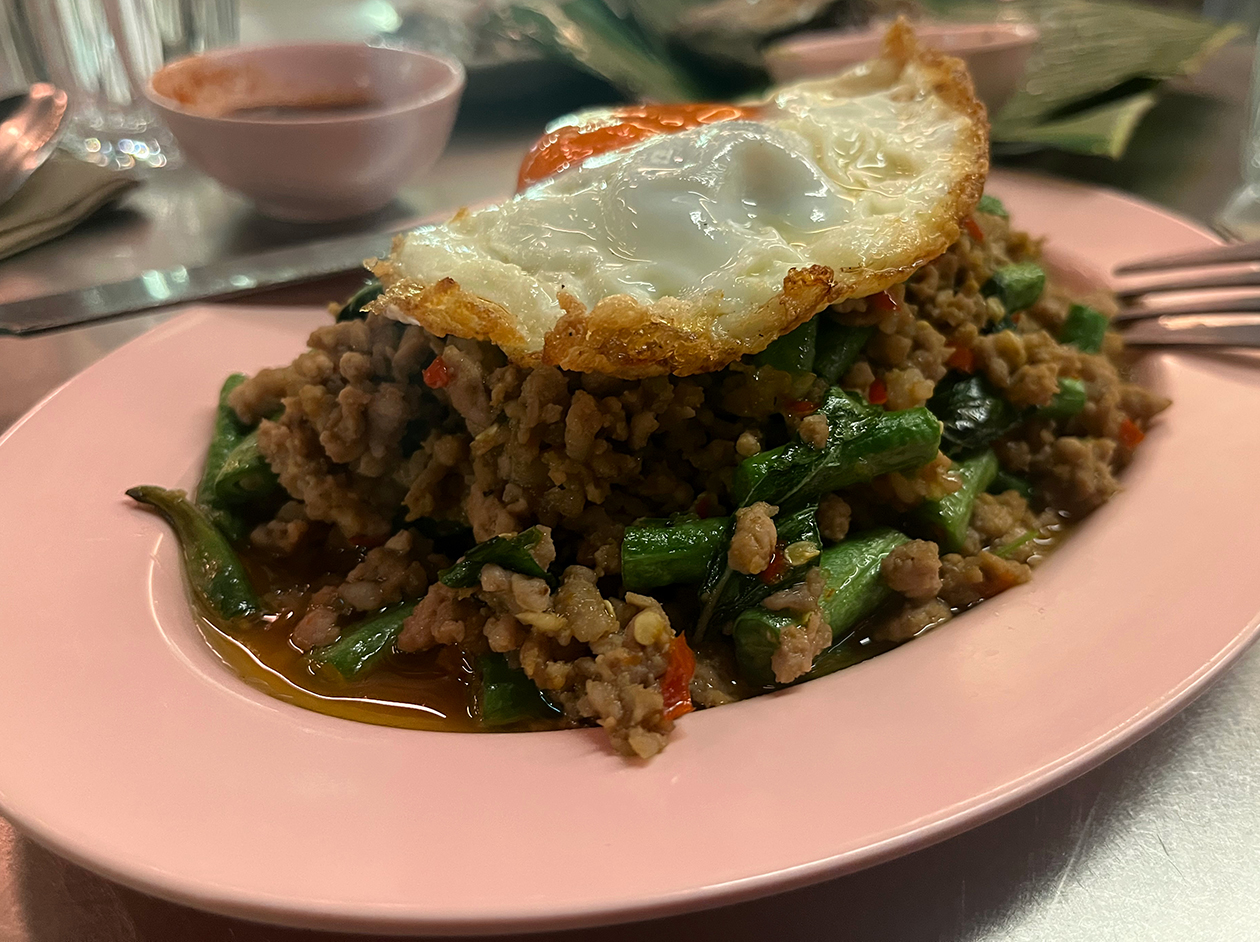
Although the pork khua kling resembles the ka prao, it was a far more potent dish. Galangal (or possibly a greatly gregarious ginger) added both crispness and a fiery warmth to the pork, which was itself offset by a herby freshness.
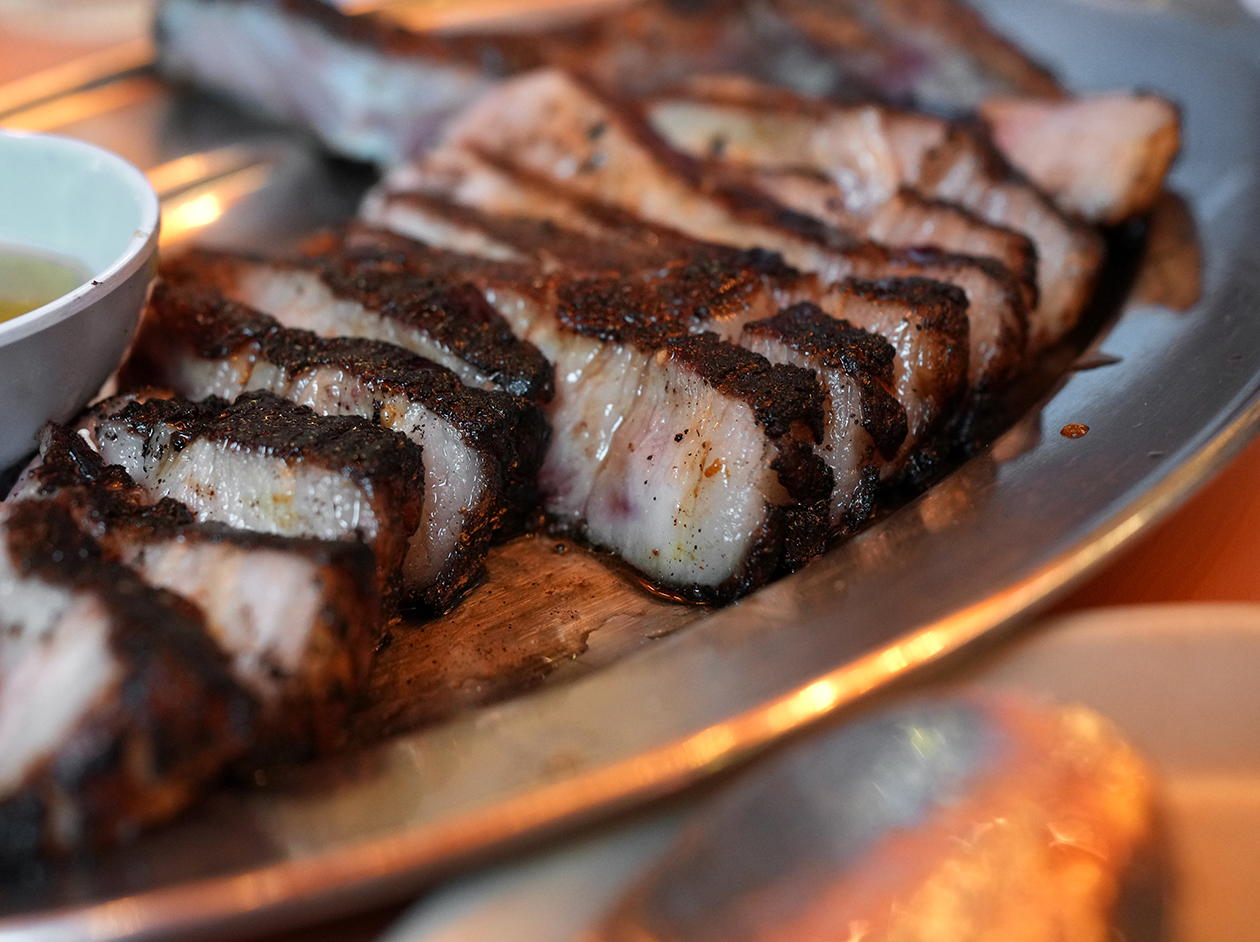
Singburi often has a grilled pork dish on its menu – deceptively simple, yet expertly grilled. Iberico pork collar was neatly browned on the outside, shimmeringly pink-purple on the inside. The gently chewy swineflesh had a subtle yet distinctive sweetness and nuttiness to it that was utterly beguiling. So much so, that the zesty, sprightly dipping sauce was a distraction, rather than a welcome companion.
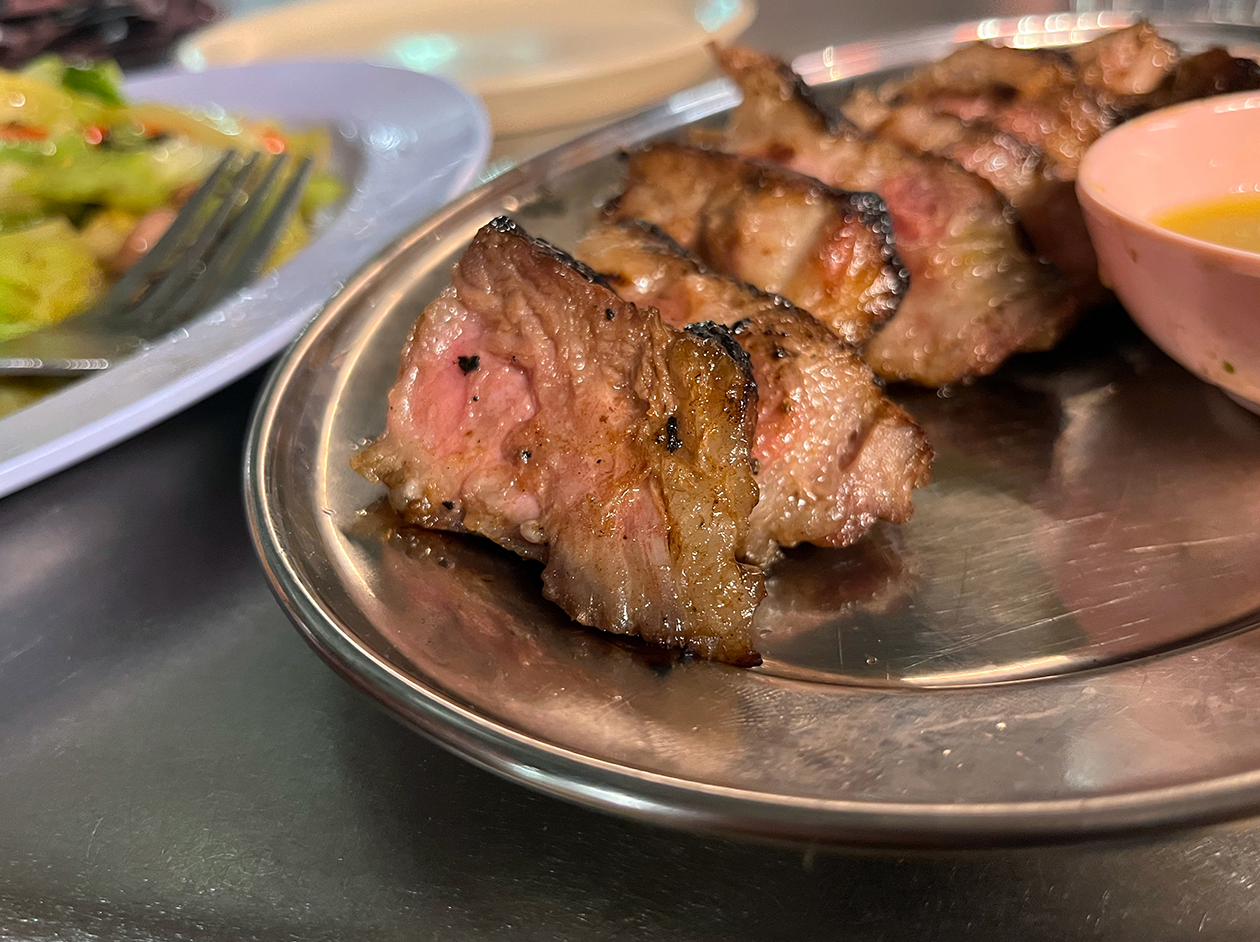
That dipping sauce went far better with a grilled pork chop. While this cut was also gently sweet, far more of the enjoyment came from this cut’s tenderness and copious ripples of buttery fat. The sauce’s zestiness helped ensure that fattiness never became overwhelming.
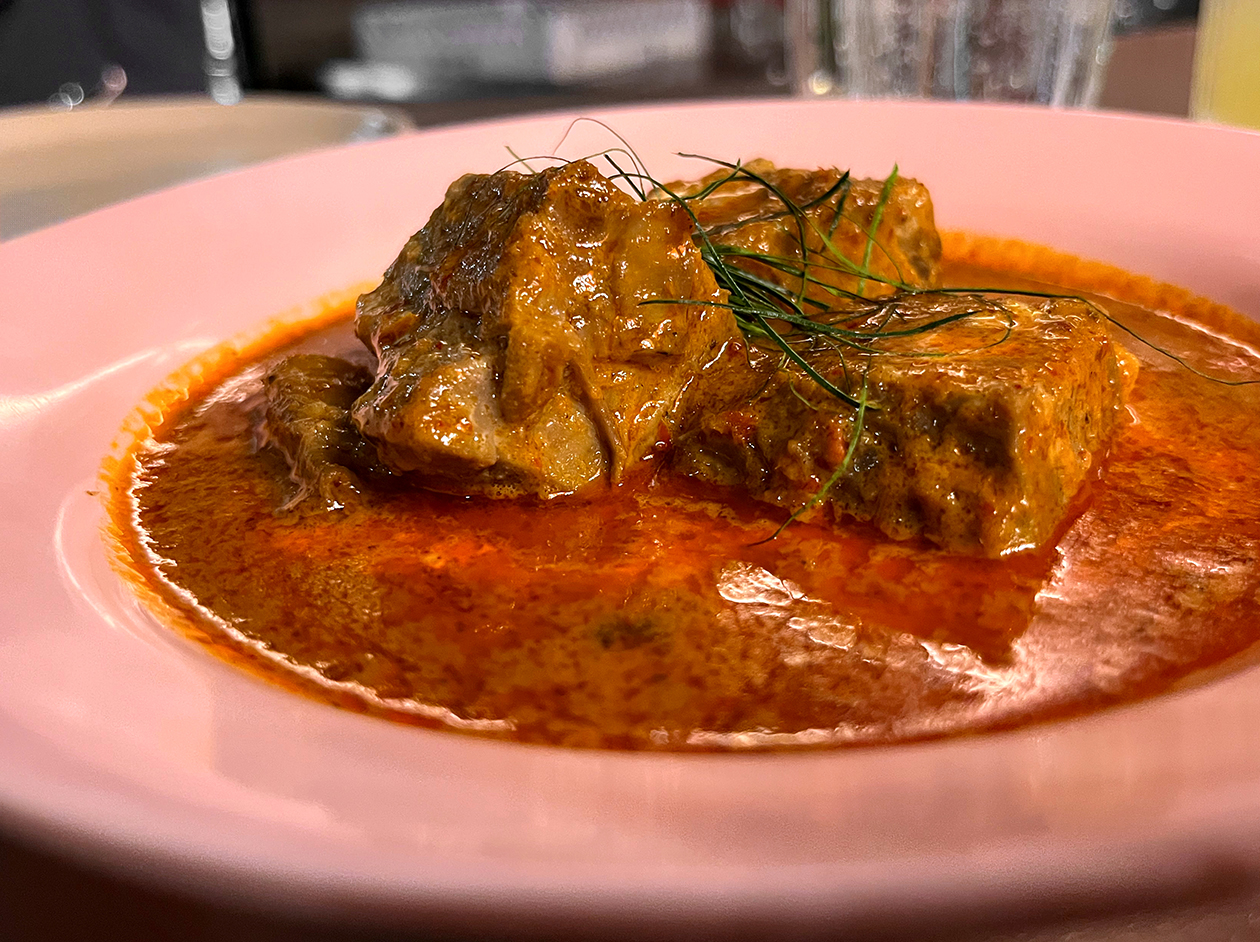
Cubes of beef short rib were so tender, they could be split asunder with a spoon. The Panang-style sauce it came in wasn’t quite as superlative, but it was lightly creamy and gently spicy with mild undertones of nuttiness and sweetness.
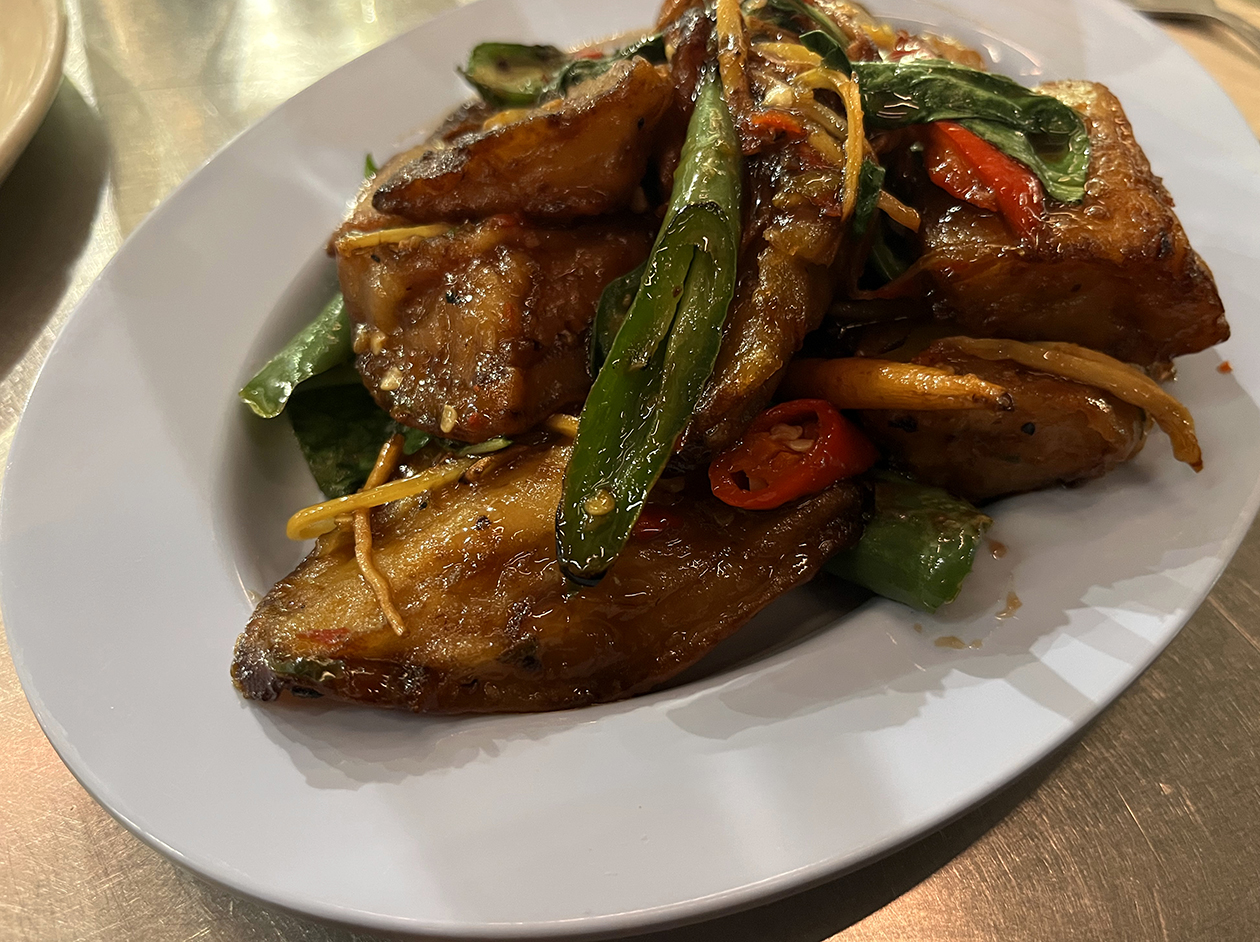
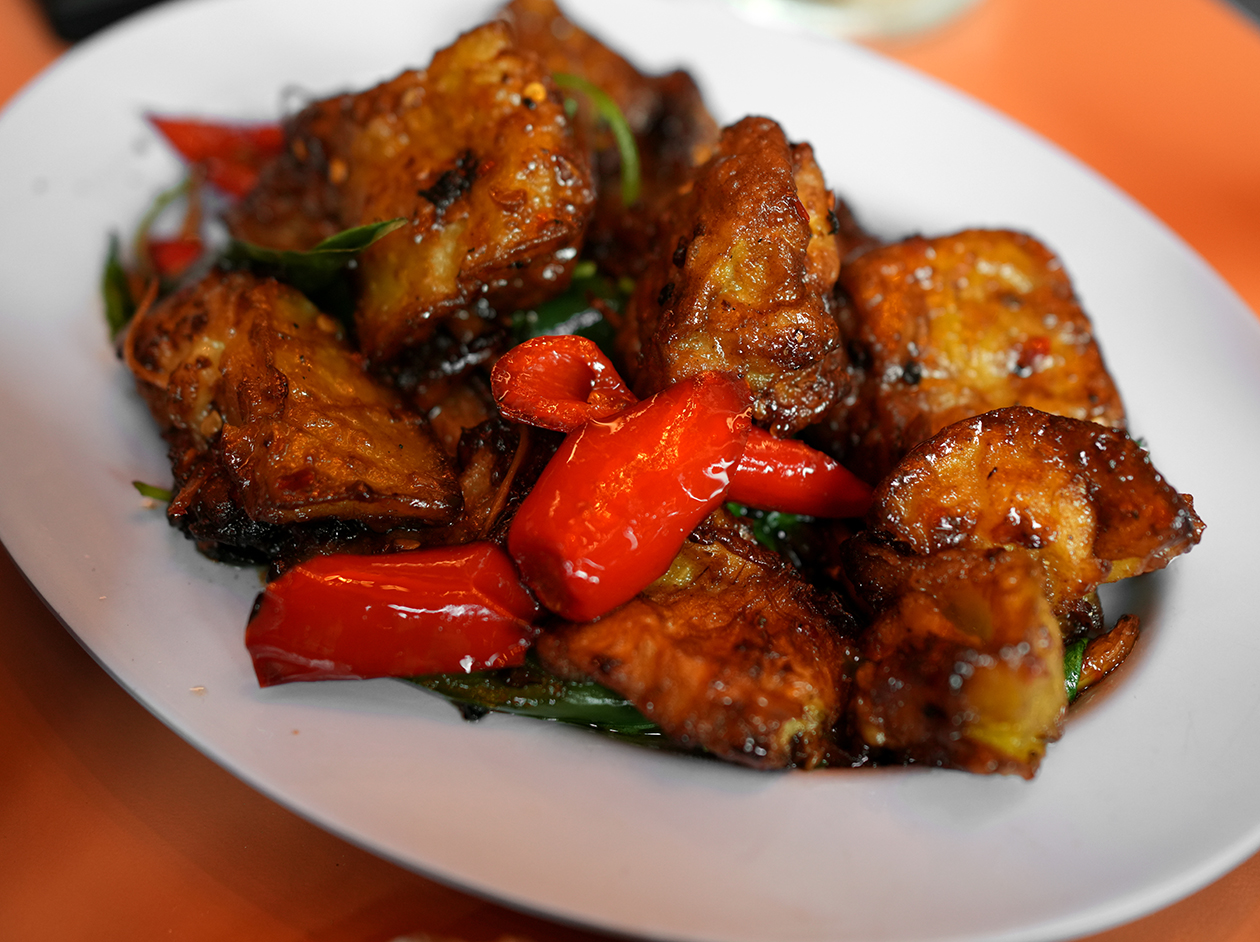
Aubergine pad phet is not only always on the menu, but is also a holdover from the original Leytonstone Singburi. The light coating of deep-fried batter had a gentle chewiness that meshed seamlessly with the fleshy, pulpy softness of the eggplant chunks. The pad phet also had the flavours to go with those textural layers – an initially light and zesty astringency (possibly from galangal), as well as a mild chilli heat, that gradually cumulated into a lip-trembling, brow-glistening crescendo.
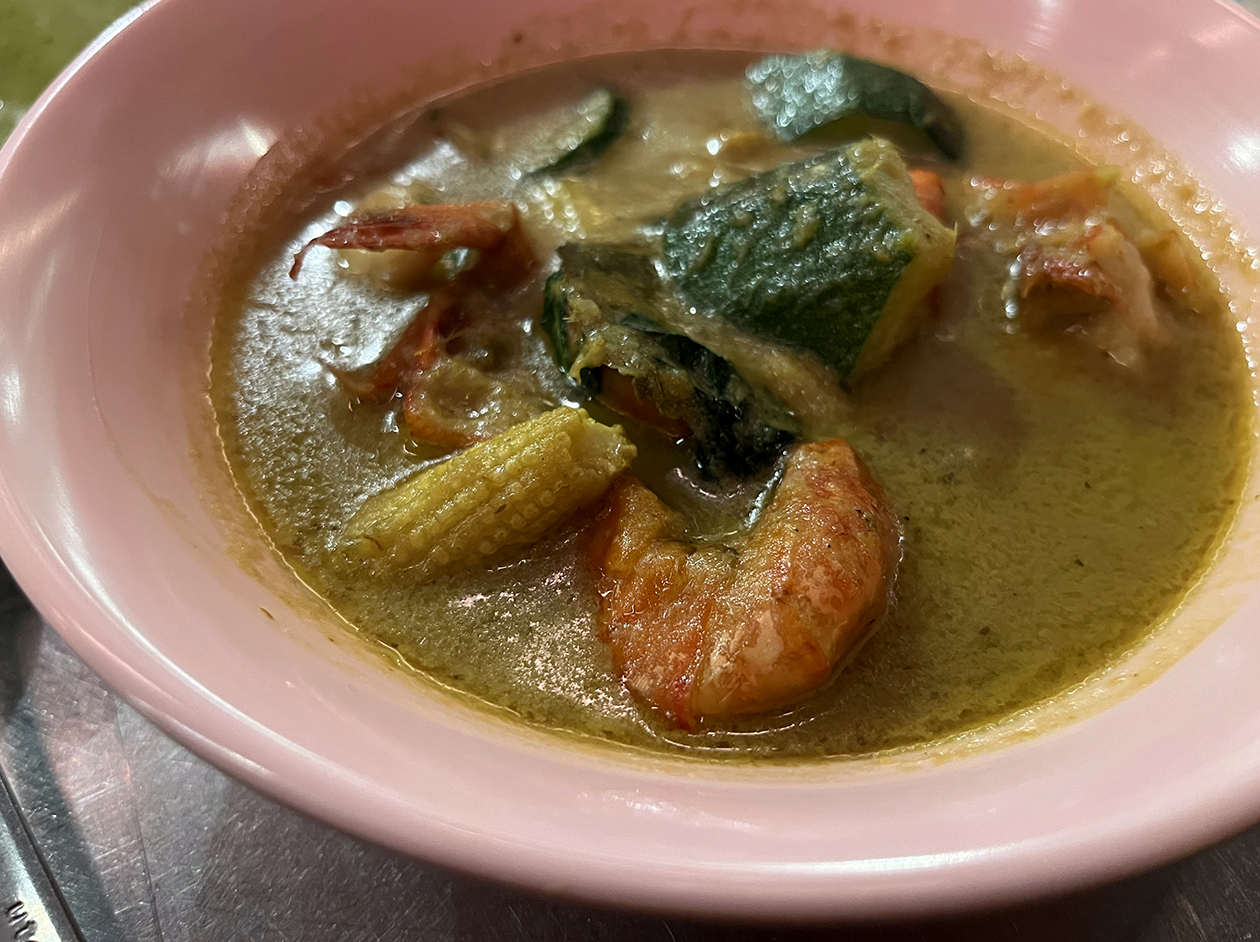
Although I would have preferred plumper, meatier prawns to the weenier shrimp that arrived in the prawn green curry, they still had their charms. Still clad in their edible shells, this added a minor bisque-like quality to the lightly creamy, sprightly and zingy curry sauce. Slices of fleshy, corpulent courgette helped make up for the relative lack of texture from the prawns.
The Verdict
The old Leytonstone Singburi was arguably one of the best Thai restaurants in London. The same can’t be said of this new Shoreditch Singburi, at least not with the same level of exuberant confidence. Given that the kitchen remains clearly skilful, the overexcitable may attribute this to some sort of malign nuThai influence. I think the explanation is much more mundane: it’s a result of cost pressures and the need to turn as many tables as quickly as possible in each service.
The service is efficient enough that (without alcohol) you can order, eat and pay within one hour. But the kitchen plays a role in this swift, diner-like turnaround time. So many of the specials at the old Singburi were so satisfying because of their laundry list of ingredients, reflecting the rich fecundity of Thailand and its culinary pantheon. There are far fewer dishes like that at this new Singburi, which instead relies much more on the sheer quality of the proteins that it sources – best exemplified by the grilled pork and fish dishes. Simpler dishes are faster to prepare and serve. If dishes come out more speedily, more people can be served in the same amount of time.
Perhaps this is even why the counter seating is so torturously uncomfortable – to discourage punters from lingering excessively over drinks, Barrafina-style.
If my theory is right, it’s an eminently logical, understandably rational way of doing things. But in doing so, it has helped diminish what made the original Singburi so startlingly special. And that’s a real shame.
Name: Singburi
Address: Unit 7 Montacute Yards, 185‑186 Shoreditch High Street, London E1 6HU
Phone: none listed
Opening Hours: Tuesday-Saturday 18.00-22.30. Sunday 18.30-22.00.
Reservations? Essential.
Average cost for one person including rice and soft drinks: £50 approx. (expect to pay around £70-75 if you push the boat out)
Rating: ★★★★☆


Pingback: Singburi review – the thrilling Thai restaurant that could close forever | The Picky Glutton
“hambush” is 1000 percent my sense of humour, love it.
I love your reviews and it’s been ages since I had read one, but a new job and lunch at Ye Ye prompted a quick review search (after the fact, stupidly). Sorry to see that you’ve been through the mill and glad to see that you are still reviewing.
P.S Ye Ye was awesome, you were spot on